
thumb

Calrose Rice

icon

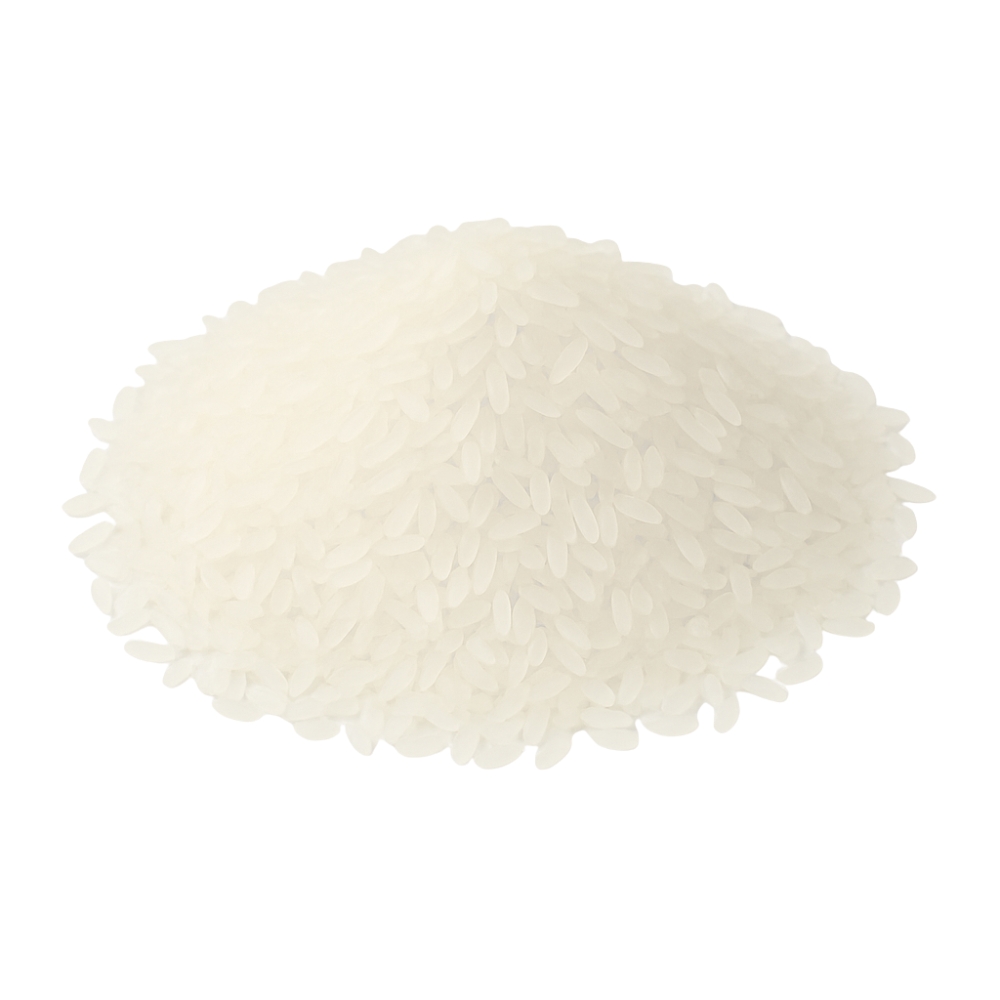
Calrose Rice is known for its soft texture, mild flavor, and slightly sticky consistency when cooked. It is a versatile choice for a variety of dishes, including rice bowls, sushi, and Asian-inspired meals. Like other types of white rice, Calrose Rice provides carbohydrates that help supply energy for daily activities. It is naturally gluten-free, making it a suitable grain option for people following a gluten-free diet. When paired with vegetables, lean proteins, and other nutritious ingredients, Calrose Rice can be part of a balanced diet. It is a popular option for daily cooking and a variety of delectable recipes due to its soft texture and capacity to absorb flavors.

Calrose Rice is enjoyed in many cuisines around the world because of its soft texture, mild taste, and ability to absorb flavors. It is a popular choice for rice bowls. When included in a balanced diet, Calrose Rice can provide many nutritional benefits. Some of its advantages are:

  1. Provides Energy: it has carbohydrates that help fuel the body and support daily activities.

  2. Easy to Pair with Nutritious Foods: It makes a satisfying meal when combined with vegetables, fish, meat, and other protein sources.

  3. Naturally Gluten Free: It’s great for those who stay away from gluten.

  4.  Everyday Meals: It may be used in many different recipes, from rice bowls to family feasts, because of its soft, slightly sticky texture.

Parboiled Non Basmati Rice is graded on the basis of its shape, texture, aroma, and low breakage. It should be stored in a dry, cold location away from direct sunlight to prevent color change or infestations.

Preparing Non Basmati Rice is a lot more complicated in each region; people prepare their rice in a unique manner to give their dishes the desired texture and flavor. Brown Parboiled Non Basmati rice may be prepared in a variety of ways, one of which is as follows:

  1. The rice is soaked with lots of water for 30 minutes to eliminate any excess starch.
  2. Then, you need to drain any excess water.
  3. Add the soaked rice to the pot with 2 cups of water, a little oil, and salt to your taste.
  4. Bring the mixture to a boil, covering it and lowering the heat to medium-low.
  5. Cook for 15 minutes. After 15 minutes, remove the lid and let the water boil off.
  6. Fluff the rice with a fork and you are finished.

It is critical to clean rice thoroughly in order to eliminate any dust from it. Individuals with allergies or dietary restrictions should consult with a medical professional to discover the correct quantity of Basmati rice to consume daily, if applicable. SGS, ISO 9001, and Vegan certifications have been issued for all of basmati rice varieties.